|
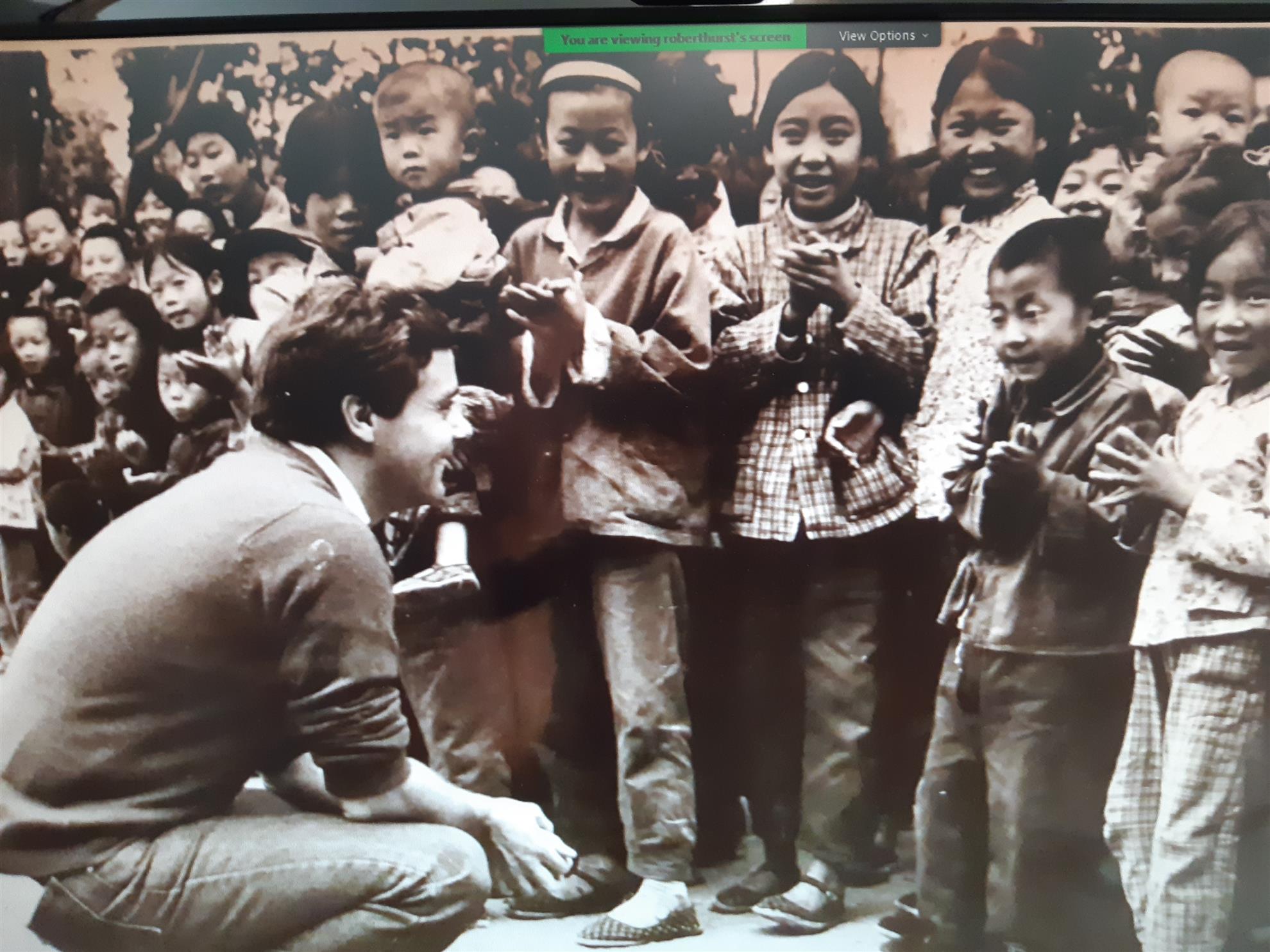
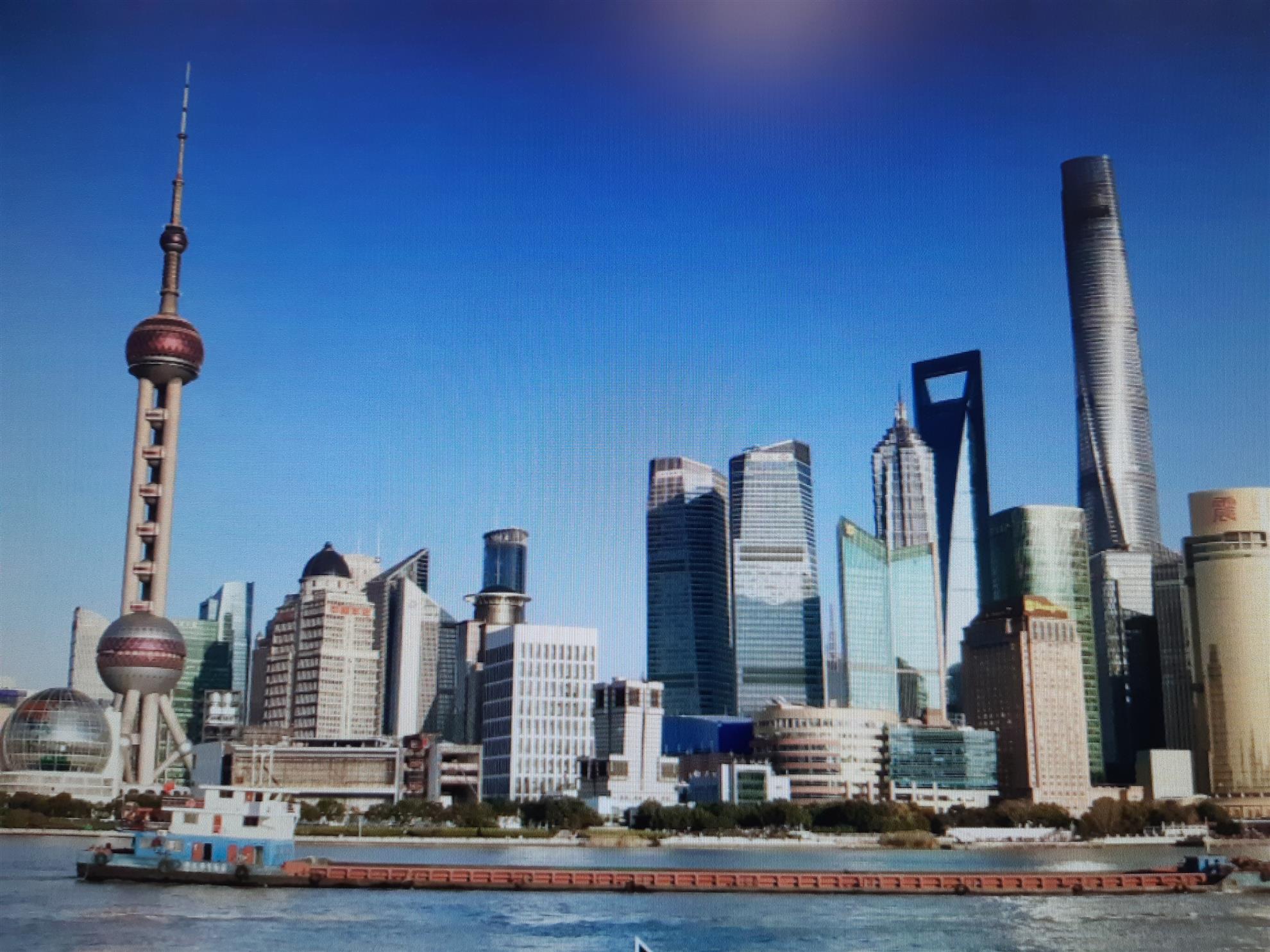
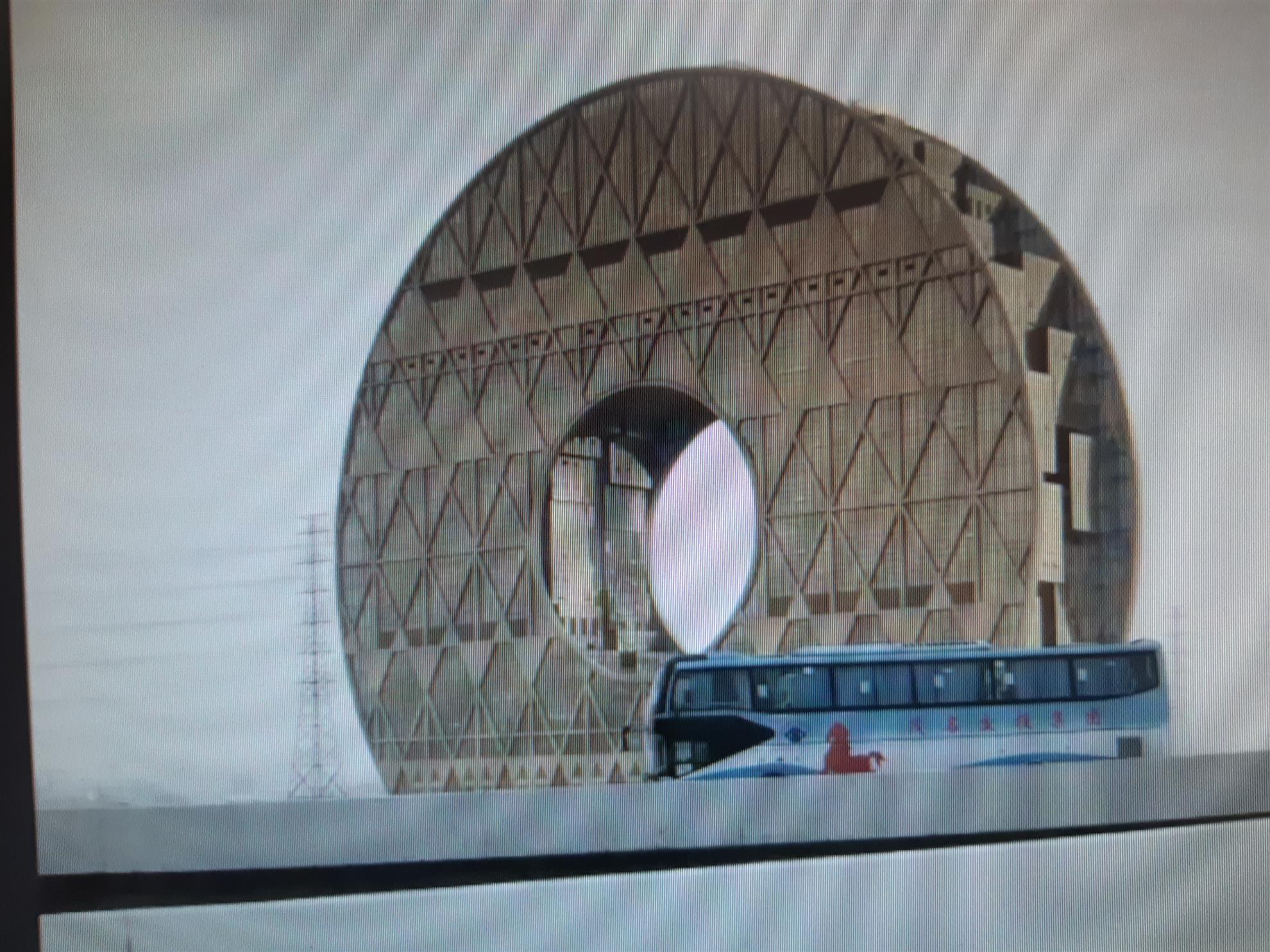
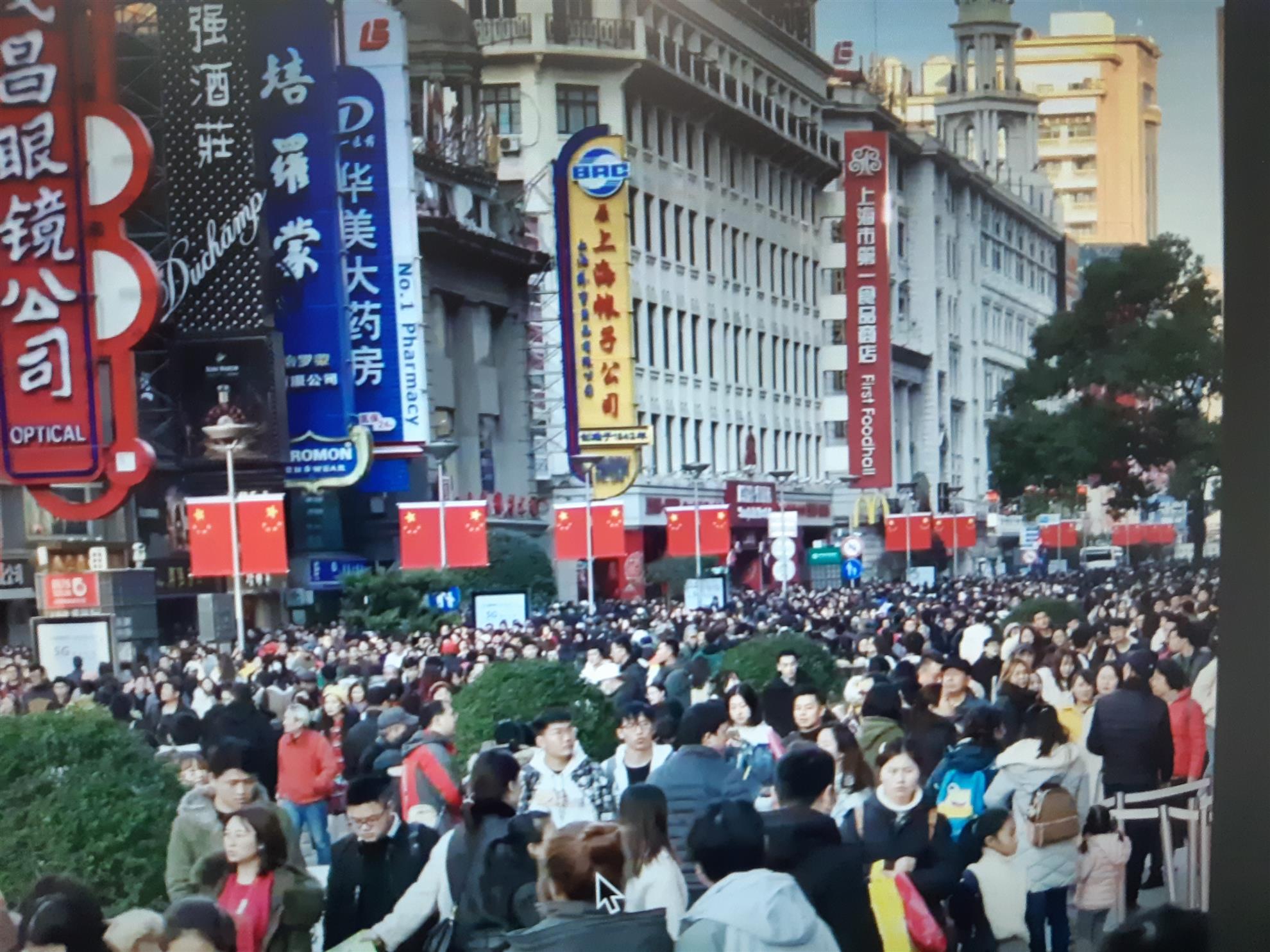
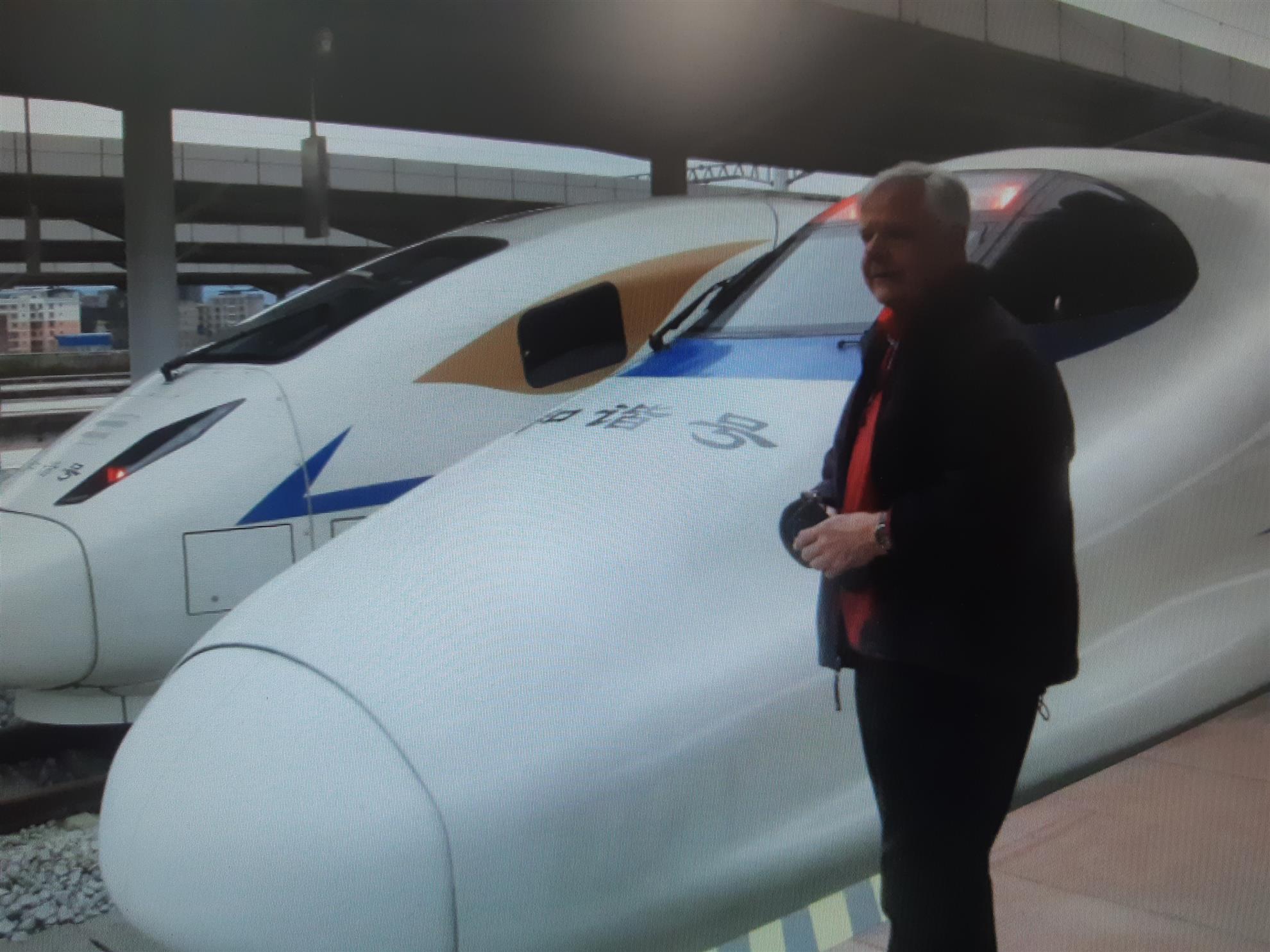
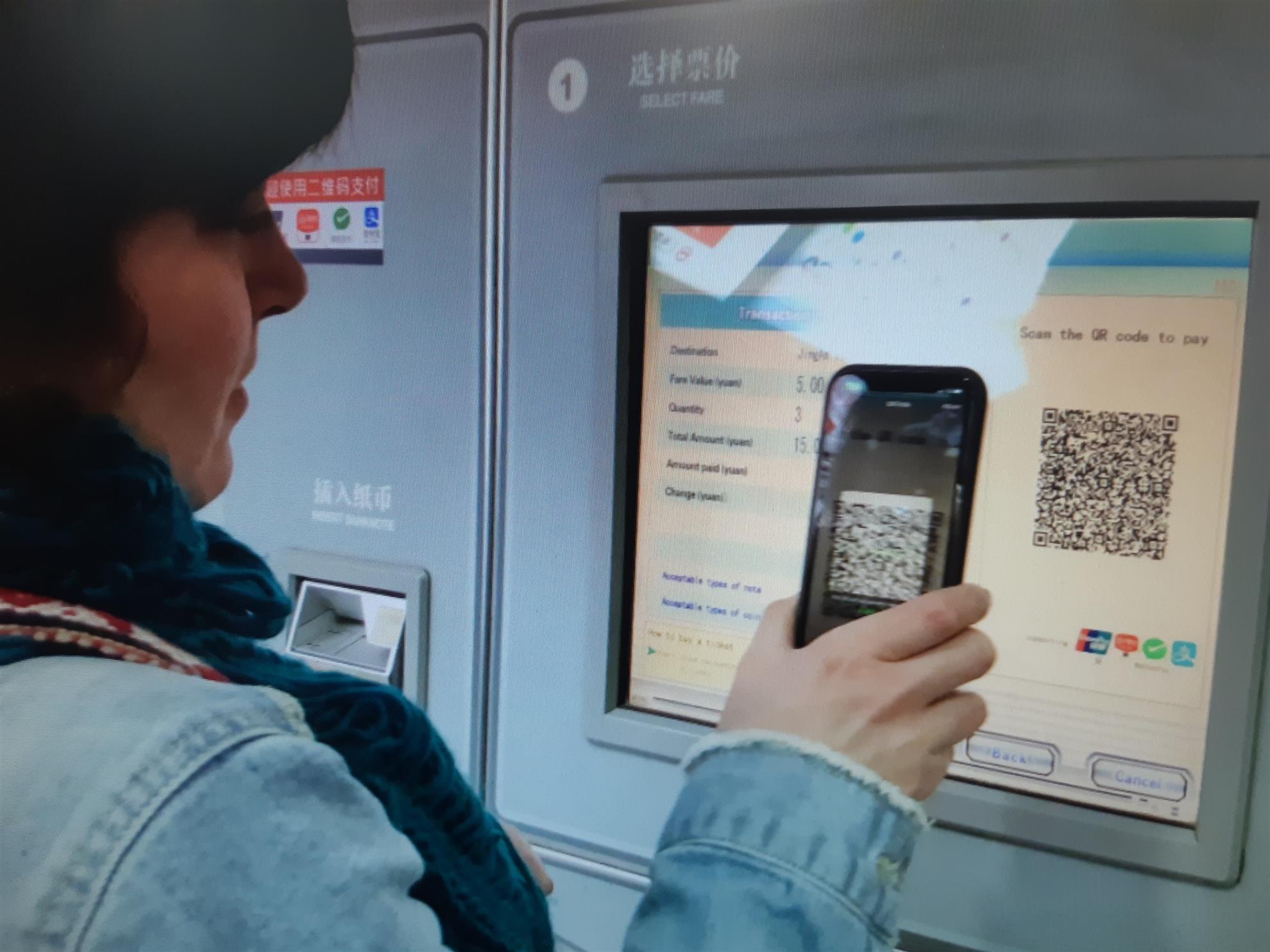
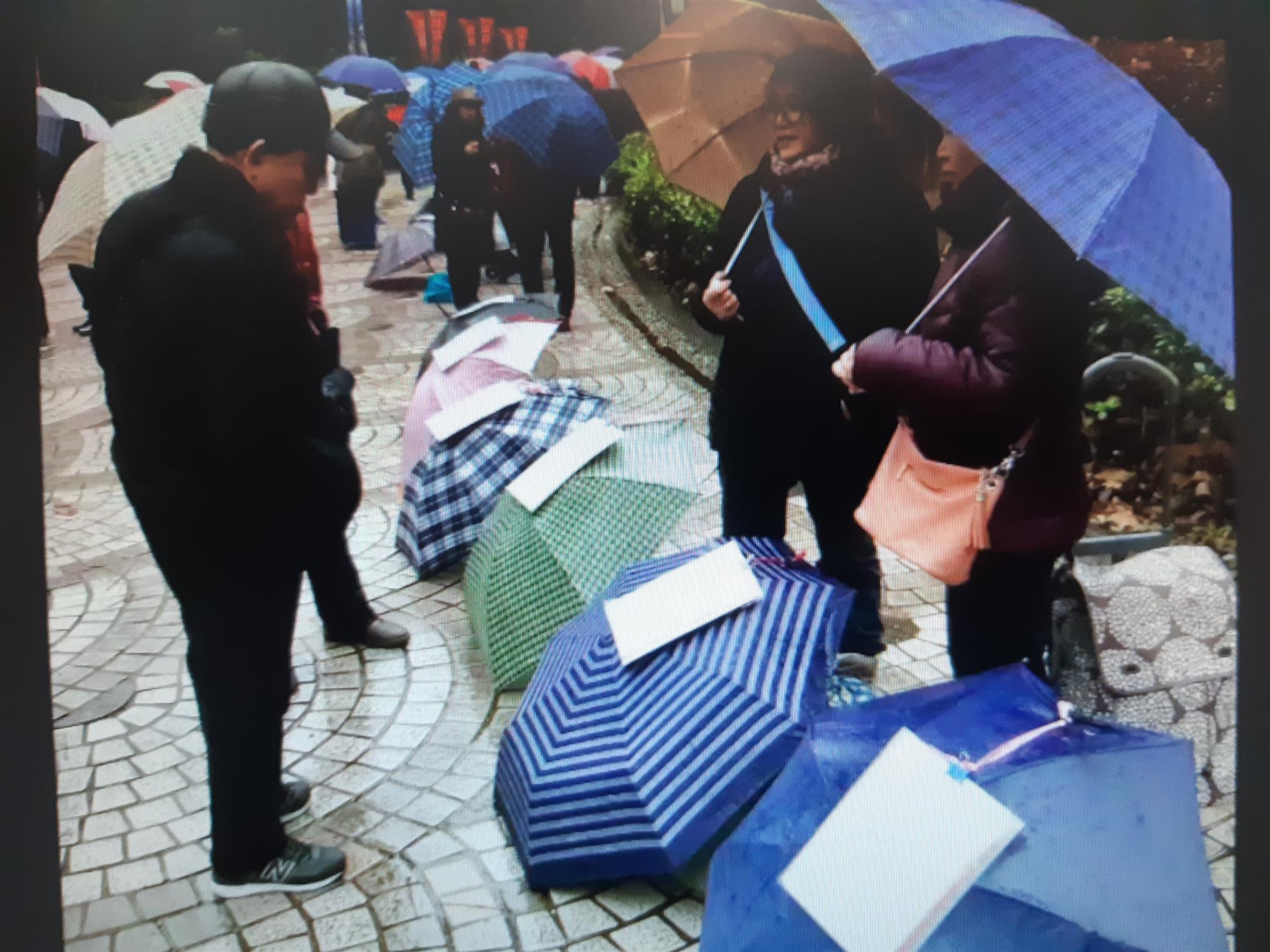
Introduction of Guest Speaker: Hugh Holland had the pleasure of introducing today's speaker, Rob Hurst. Rob attended High School in Toronto area and went on to receive a BA followed by a Diploma in Journalism at UWO. A few years back he continued his education acquiring a Degree in Applied Studies from Fanshawe College. He has written a book about Sinclair Stevens and has lectured at UWO. Rob started his journalism career working for CFTO-TV and worked his way up to News Director and then CTV's National Correspondent in several Canadian and International cities. Hurst, and his wife Cathy arrived in Beijing China in 1982 with an 8-month-old baby. Their second son was born on home leave. As a Parliamentary correspondent, Hurst was instrumental in breaking the ‘Tuna Scandal’ a major story when Brian Mulroney was Prime Minister. In the late 1980’s, as CTV’s Washington Bureau Chief, Hurst covered the end of the Cold War, earthquakes in San Francisco and civil wars in El Salvador and Nicaragua. As Bureau Chief in Russia, Hurst covered Boris Yeltsin and the collapse of the Soviet Union. On his return from overseas he launched CTV Neews channel and took charge of W5. He became President of CTV News and was named by TV Guide 'the most powerful person in Canadian Television News'. In 2011 he retired and with his wife moved to the family cottage on Penn Lake. The Story Rob took us on a journey to China and did some comparisons on what it was like in the early 1980's compared to today. When he and his photographer did their first trip out to a small village it became apparent they were the first foreigners they had ever seen. As it turned out Chinese citizens had been instructed by their leaders not to speak to foreigners as they believed it would lead to dilution of their commitment to the Party. There was a cultural war in the 70's in China as it left behind the Communist rigidity of Chairman Mao. New leader Deng Xiaoping put a mandate in place to modernize China in one generation. In 1970 95% of citizens lived in rural poverty. In current years that number is close to 10%. China is now home to 1.5 billion people and the Pearl River Basin is the economic heartland with 50 million people in the area of the estuary. With Hong Kong on the south and Guandong on the north 50% of all pharmaceutical products and 60% of the goods consumed around the world are created in this area. The city of Shanghai is the country's biggest city and from farmers field sand low rise building in 1970 the skyline is now one of the most impressive in the world. Architects from around the world seek commissions out in Shanghai to display their unique design skills. Q: Did Tim Horton sponsor the office building in the middle?? The Great Famine of 59-61 killed over 30 million Chinese and in 1970 stores had barely any food as they did not have a system that allowed food to be transported and stored from the farms. Now grocery stores are overflowing with produce and all the amenities expected of western stores. In 1980 the streets were dirty and dusty and today beautifications are undertaken in most cities that make it exceptionally clean. The country has an extensive network of bullet trains that travel across the country connecting every major city. Rob indicated he was on one train that displayed their speed at 314 kms/hr. A 16hr trip is now done in 4 hrs. Electronic scooters are everywhere, replacing bicycles. Also money has been made almost obsolete, as has credit cards. Everything is done on smart phones, using QR codes. Individuals have personal QR codes which allow the gov't to track their whereabouts. What was drab is now colorful and China is a fashion mecca, one of the great buyers of designer style products. Consumer capitalism is the main mantra and as long as the government gives citizens opportunity to buy goods the communist regime is accepted. There is no formal religion in China as the Communist Party is atheistic. There relatively few seniors homes or day cares as the family unit is together and takes care of each other. One funny story Rob told us is in Shanghai's Peace Park. Every Sunday morning umbrellas are lined up along the walkway. Attached to the umbrella is a card, with a picture, outlining the virtues of the umbrella owners daughter. It's a 'marriage market', and here I though there was no shopping on Sunday! China has the largest army in the world. They are an aggressive 'police state' and cameras are everywhere. The NY Times, Facebook and YouTube are all banned in China. There is no real freedom of speech and posting 'radical thoughts ' will garner a visit from Big Brother (without The Holding Company) Rob's son and daughter in law live with their family in Shanghai and teach there. They love the country and have no immediate plans to leave. In 2021 the Chinese Communist Party celebrates 100 years of rule but if their history is know its earlier years has had many stories of famine, civil war and suppression. Rob has had a few trips back and in 1989 he was flown in with a crew to cover the Tiananmen Square uprising. Shortly after landing he was arrested and put on a return plane, one of two times he was arrested in China during his career. Rob admitted the smog in China can be extreme, especially in the cities like Bejing that have bowl like shapes. Shanghai, near the coast, has some offshore breezes that clear the air but in Jan 2020 on their last trip for 3 days there was a smog factor of 275 for 3 days where they couldn't see more than a couple of hundred feet. A moderate level is 80-100 and clean air would be in the 25-30 range When asked what drives the leaders of China, Rob offered his thought that it was mostly fear. Fear that they will have their power challenged and fear that others may be out to derail them. Every business and organization in China has a party rep who sits in their decision making and they control the power of reporting back to 'head office'. Will, who travelled socially to China a couple of years ago and loved it, thanked Rob for his very interesting presentation.
|