Gord Mitchell introduced guest speaker Chuck McClelland who moved to our area from Richmond Hill five years ago. He learned to love canoes as a youth cottaging on Lake of Bays. Chuck is also one of the captains of the SS Bigwin.
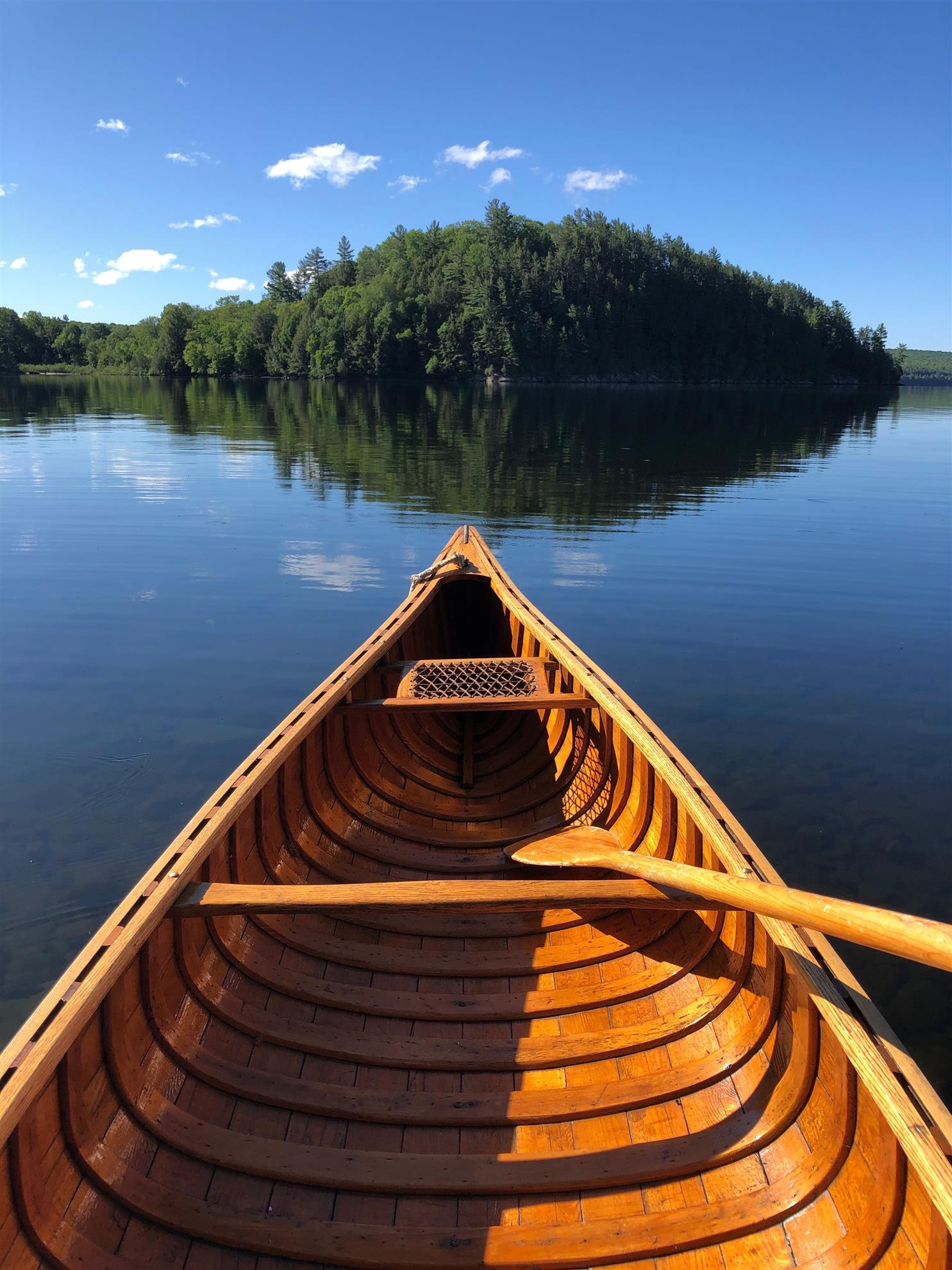
Chuck McClelland: Chuck started by paying tribute to all the good work that Rotary does. Restoring canoes is his hobby. Anything can be fixed that is made of wood. He presented a slide show on how he restores canoes.
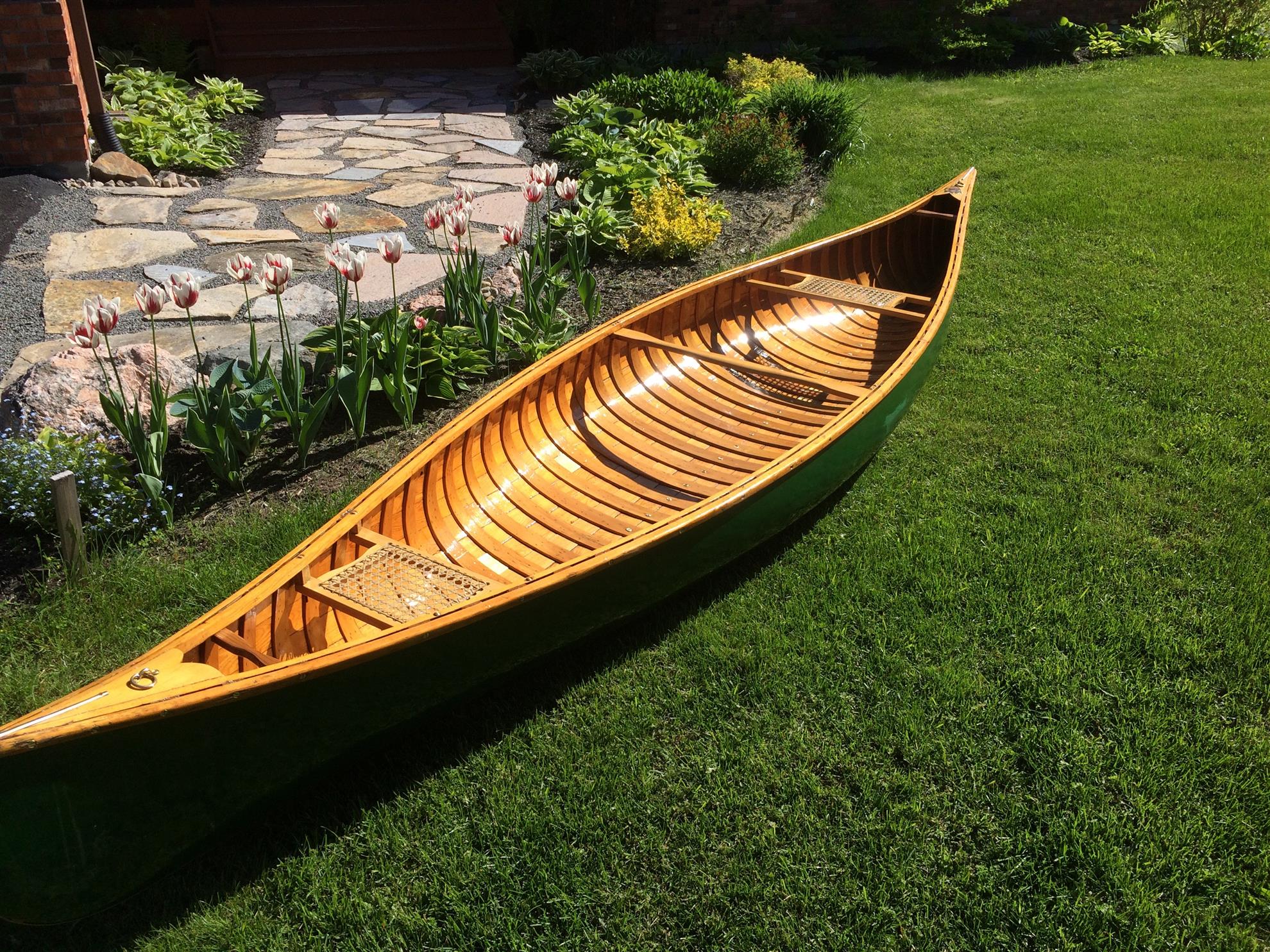
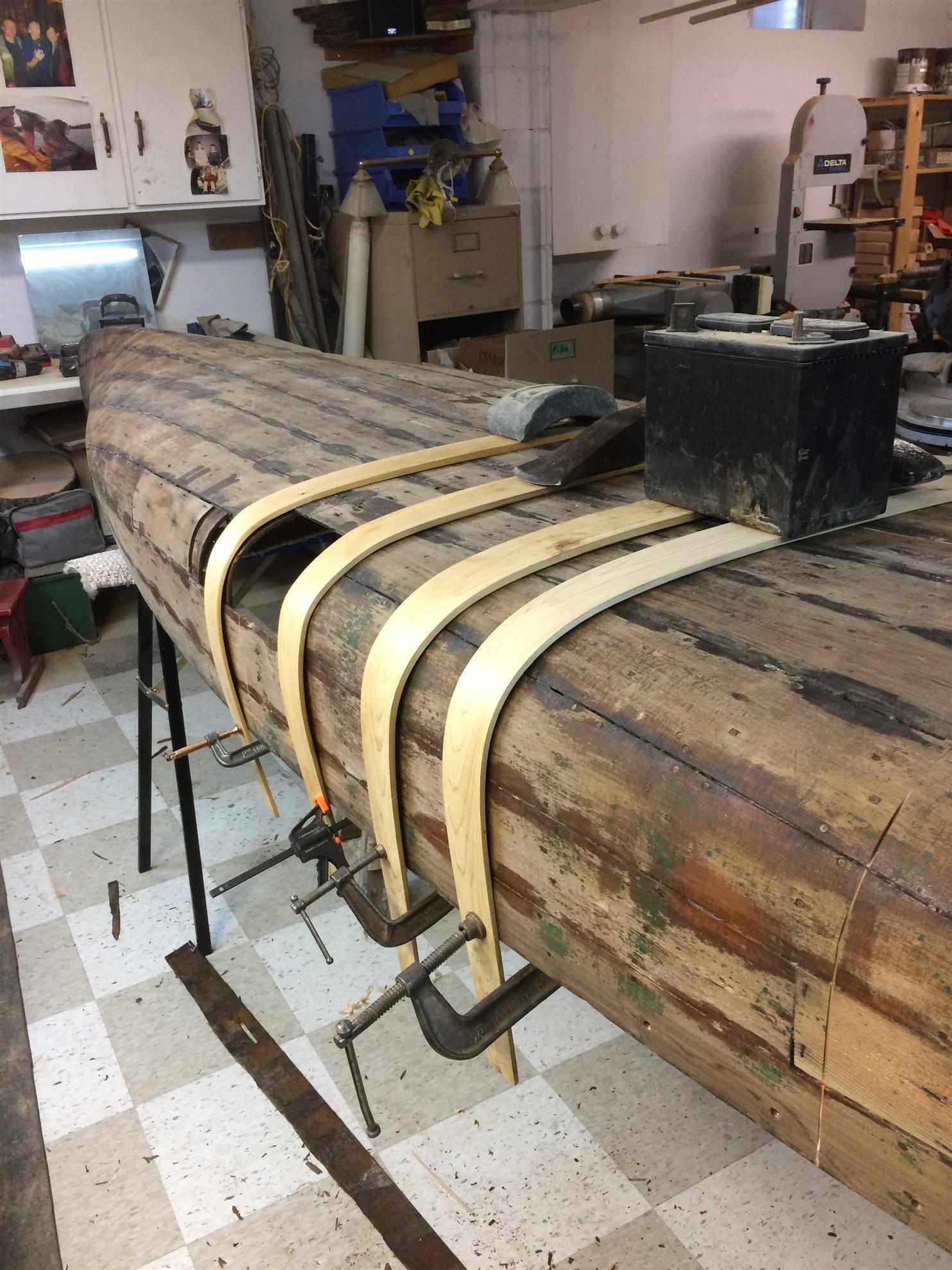
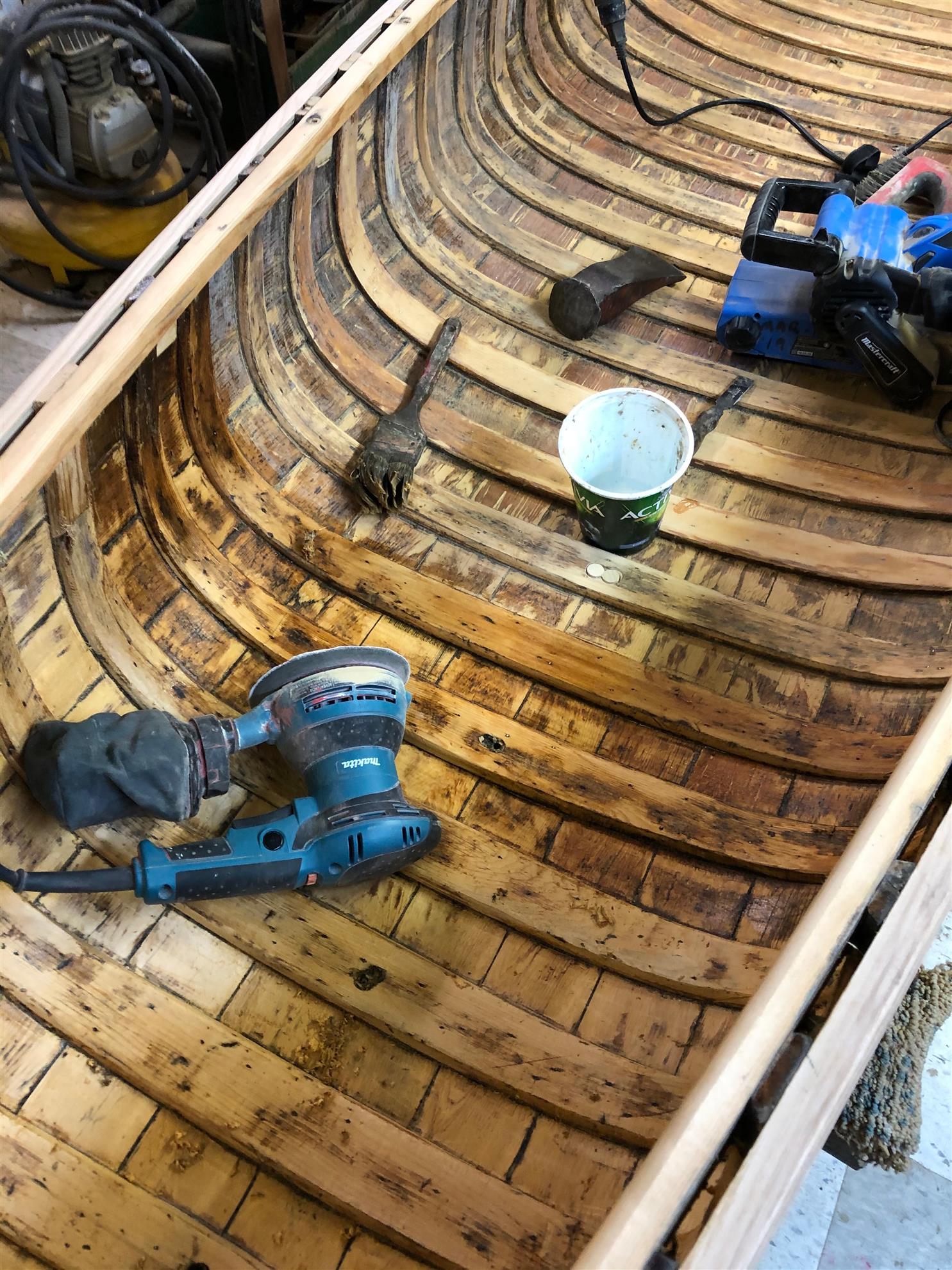
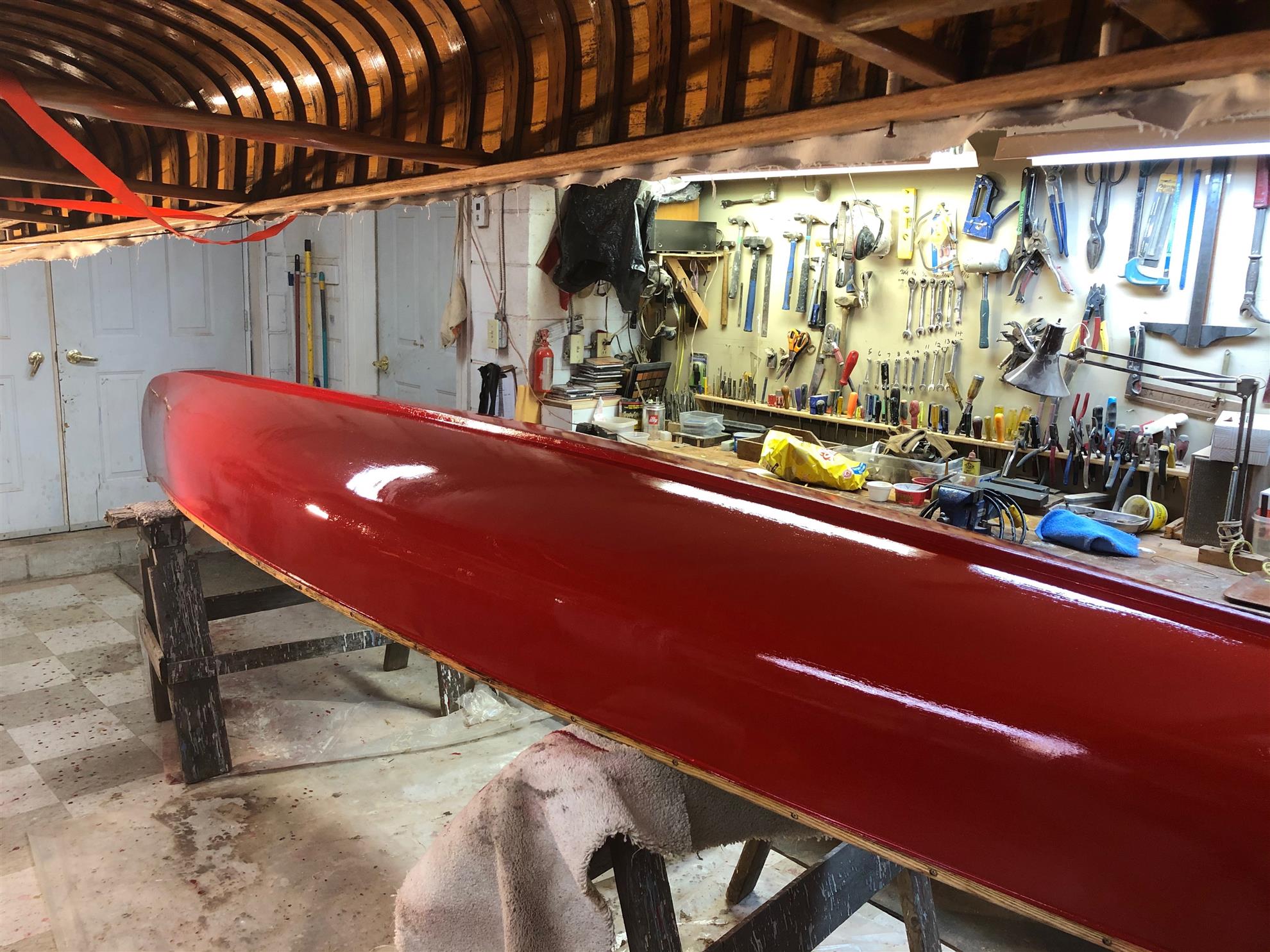
When repairing a canoe, the first task is to assess the damage. If the stem that wraps around the canoe is damaged, that is a big deal to fix. Most repairs require at least $ 400.00 just for materials. Woods used are eastern white cedar, white ash, and oak. After the rotten pieces are removed and replaced, he then strips the inside, to get back down to blond wood. He wraps the entire outside of the canoe in canvas and wraps that all around and then covers it with a specific filler/ paint mixture. After brushing on three coats, it is all buffed. This filler looks like paint, so he wet sands it and then it is waterproofed. He also makes new cane seats. Chuck showed all the tools that he uses. The time to repair one canoe can range from 18 to 80 hours. New canoes can cost several thousand dollars.
Birch bark canoes are made with the dark part of the bark on the outside. The frame is made on the ground and the canoe is built from the keel up. There are videos online showing how the indigenous people made canoes. An indigenous person in Whitney still makes birch bark canoes and someone in Dorset does also.
Chestnut and Peterborough companies came together. Now Langford has good cedar strip canoes but theirs are made in Quebec.
Chuck hopes that The Bigwin will be sailing this summer. This boat has an amazing history. It has been a huge task to restore it.
Chuck repairs five or six canoes during the winter months in his garage and in the summer months, he paddles them.
Questions:
Ross: He once had a Peterborough Runabout, but it became a planter in his garden. Ross asked if the wood has increased in price? Chuck: Not so much, as he picks up small amounts as he finds it.
Tim: He had an old cedar strip as a teenager. Chuck: Chestnut Prospector was a gold standard, which had high sides for tripping. Now the canoes are shallower, more for recreation.
George said that his nephew will probably qualify for the para-Olympics in Tokyo. He asked about the popularity of canoeing now. Chuck: Very popular. Campsites are booked five months in advance this year. However, kayaks are more popular, but it takes more skill to handle a canoe.
Brandy asked about the Pack Canoe which is a hybrid between a canoe and a kayak. Chuck’s son-in-law in Yukon has one, it is very light.
Mary said that Chuck made her appreciate her canoe, which is a Northland, and she has had it for 54 years.
Ron – Years ago, his uncle and cousin ran Grassmere Boat Works and they made canoes.
Lou complimented Chuck on his talents.
Ross thanked the speaker and said that it is good to hear people who are working their passion.